The Chef of Ancient Mexico

Browsing on Youtube to look for an inspirational video, I came across this one that deserves attention. This video centers on a Zapotecan chef named Abigail Mendoza who makes all of her foods the way her ancestors have for thousands of years. The video shows one of the dishes that she makes, seguesa, which is a pre-Hispanic mole that she and her siblings serve at their restaurant. What is amazing about this video is how important it is to her to preserve the Zapotecan ways of cooking. She utilizes traditional methods, such as using a stone metate, to prepare and serve her foods. Despite Spanish intervention centuries ago, it is great to see that the Zapotecan culture is not lost.

The different foods that are shown in this video all look very appealing, and even the presentation of the foods are amazing. It seems that with any Zapotecan dish that is served by Chef Mendoza it won’t leave anyone dissatisfied. I have made a previous post that recognized another chef, Aaron Sanchez, but in making this post I believe that Chef Mendoza also deserves some recognition for the food that she prepares. The message that Mendoza brings in continuing the foods from her culture is not only inspiring but also adds to the variety of cuisines that one can find in Mexico.
Reaction to Mexican Street Food Video

I wanted to look on Youtube to find some videos of people reacting to Mexican food. It was until I found this one from BuzzFeed that was very entertaining to watch. In this video the three groups of people get to try different Mexican street food. Of the few foods that they got to try in the video, the ones that I wanted to try myself has to be the tostilocos and champurrado because they look so good. I have had mango con chamoy, also known as mangoada, before and I know that I want to try it again since the first time that I did I didn’t like it too much. I loved the mango but I wasn’t used to having something sweet like mango with spices. However, looking at the tostilocos and champurrado they looked like great foods to try and even make a post on my Instagram to document my experience trying them. Hopefully in the near future I can try these two Mexican delights and offer my feedback on them when I try it!

The Beauty of Colorful Corn

Before taking Taco Literacy, I didn’t know that corn could come in several colors. I’ve always been accustomed to the typical yellow sweet corn that I would have with my meals, but never have I seen corn in various colors. Whenever I went to restaurants and had different colored tortillas chips I always thought that it was only food coloring that made them a different color. This may be the case in some cases possibly, but now that I know that there is multicolored corn I now think that the corn they used was one of these more colorful ones. The variety of colors that they come in are astonishing and even my Mom was surprised by it. She really liked the ones that were more pink-ish while I like the ones that come in a deep blue.

I wanted to see if there was a video that talked about the growing process of rainbow corn and I came across this one that was very interesting, brief, and informative. In this video I didn’t know that corn pollenates with the assistance of the wind to fertilize the female flower from the male one. The video also points to when the corn is ready to be picked to then be dried again which is something I wasn’t aware of either with corn. I was glad I was able to find a video that spoke a little more on these colorful “ornamental” corn varieties as I ended up learning a few new things in the process.

My Visit to Tulcingo Del Valle

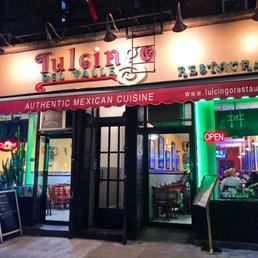
Living in New York City the hunt for some great Mexican food is hard to come by. Growing up in Queens, I thought that they only place that I could have some really good Mexican food was in my neighboring neighborhood of Jackson Heights. However, with the help of taking this Taco Literacy class I now know that this is not the case. I decided to go check out Tulcingo Del Valle which is Mexican restaurant that I wouldn’t expect finding in Manhattan. But it was there, and as my hungry self I wanted to have some food!

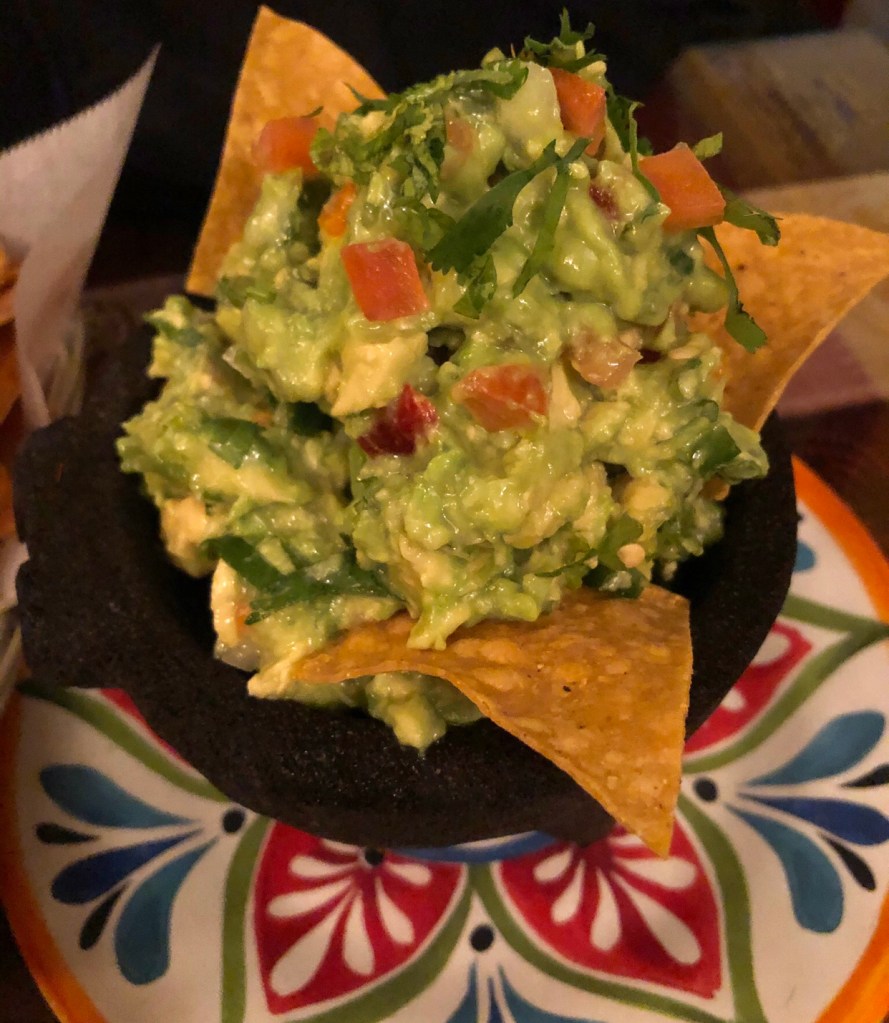
Started off with some delicious guacamole that left me wanting more! This guacamole was drenched in lime juice that I’ve never experienced before. Usually when I have guacamole the lime juice can be tasted but it isn’t as apparent as the one I had in Tulcingo. It was amazing. What was also something I also don’t see often when having guacamole is the pit remaining inside. It was very aesthetically pleasing to see oddly enough.

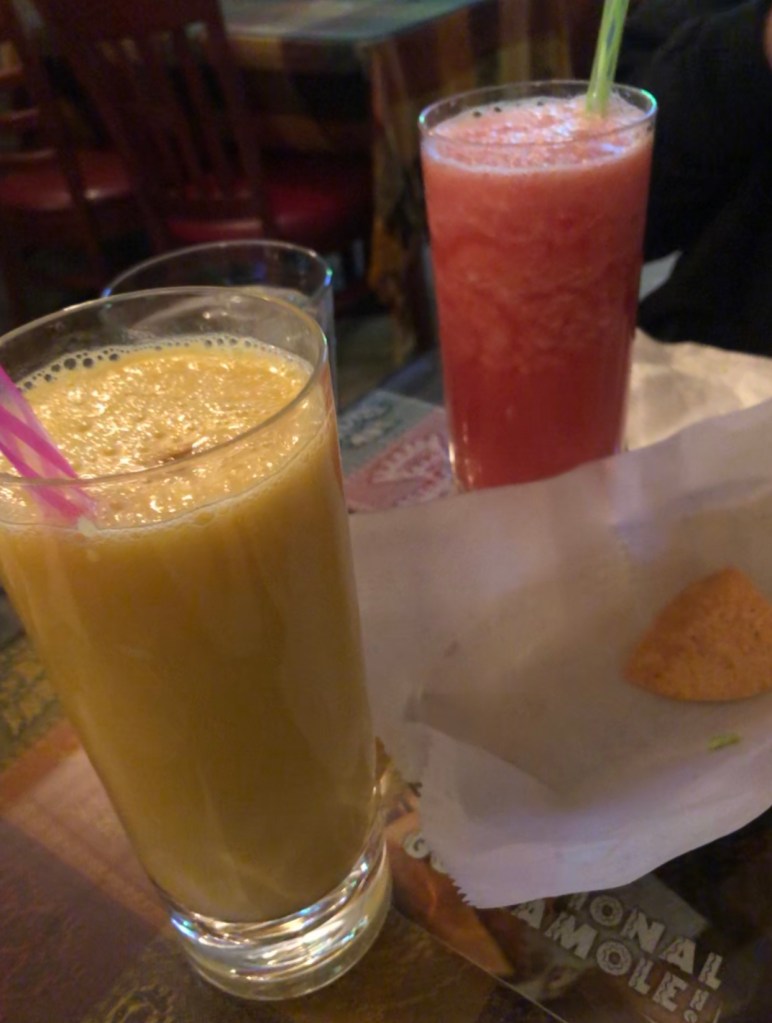
The next thing that came were the agua frescas that we ordered. I got the mango one while my boyfriend got the watermelon but both of these tasted so refreshing! The consistency wasn’t like that of a smoothie, it was more wavy and watery when I moved the cup around. However, taking one sip I was already in love. We only got the medium size, I can only imagine how the larger cup size would have been.

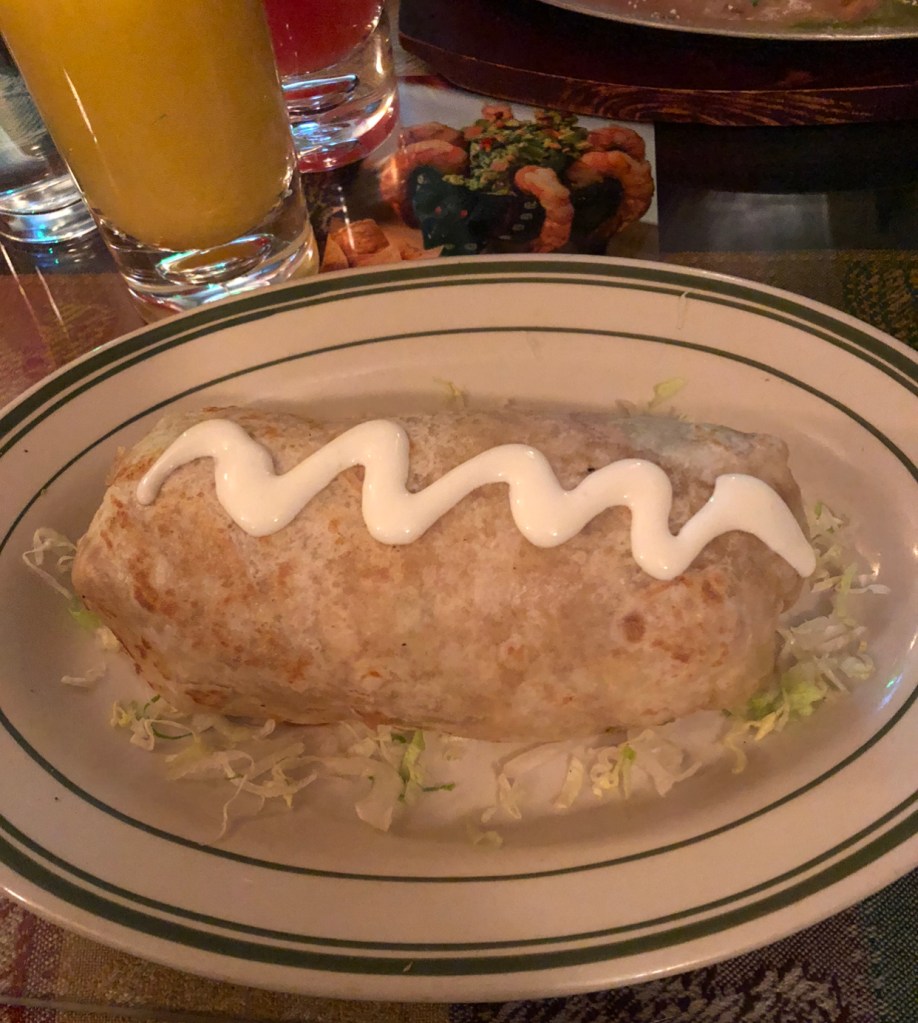
Lastly came the food. I wanted to try something different since I usually get quesadillas de pollo so I decided to get myself a burrito that had carne asada. If only I took a picture of the inside of this massive burrito but there was so much rice, beans, and carne asada all wrapped inside. It took awhile for me to finish this burrito but it was definitely worth taking my time eating. The restaurant has many paintings along the walls that left me gazing at them while listening to some Latin music at the same time. It was a great atmosphere to be in enjoying the dinner with my boyfriend. He ended up getting his usual enchiladas but actually liked the one at Tulcingo a little more than at Taquería Coatzingo due to how they cut the meat. Hey, we all have our preferences!

It was a really great experience going to Tulcingo Del Valle and it felt great to try a different Mexican restaurant that prepares their food in a slightly different manner. I’m all for trying new things and having new experiences with food and this was one of them. I know that I will be visiting soon to try something else on their menu, but I know for sure the guacamole and agua frescas are an absolute must!

The Children of the Corn… Literally.

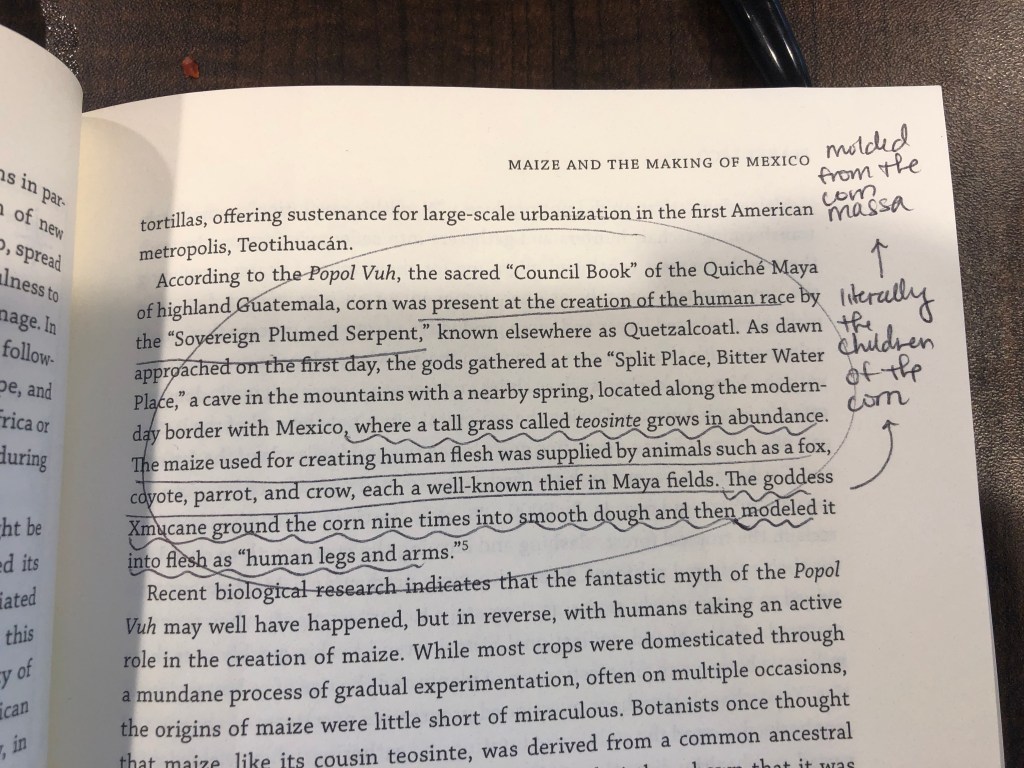
I remember in my class my professor had made a mention that the people of Mexico can be seen as “the children of the corn,” and this was because the indigenous societies of Mexico thrived on what corn provided for them which was making tortillas. This practice of using Cal to mix into the corn to create massa, and finally tortillas, has been essential for civilization to exist in Mexico. When reading into Jeffery M. Pilcher’s book, Planet Taco, this saying that the Mexican people are “children of the corn” actually has significance when looking into the Popol Vuh.

Here, the Quiché Mayans have this narrative of how their people were created. From the goddess, Xmucane, she molded the Mayan people from the corn massa itself and from this came to life of the Mayans. This, in a way, sounds poetic given the personal and intimate nature that these indigenous people had with corn. And for so many generations into the modern age, the practice of making corn massa and tortillas is a continuous one which makes reading this excerpt really interesting. The saying that the Mexican people are “the children of the corn” could not have been much clearer with this story of creation.

The Question of Authenticity

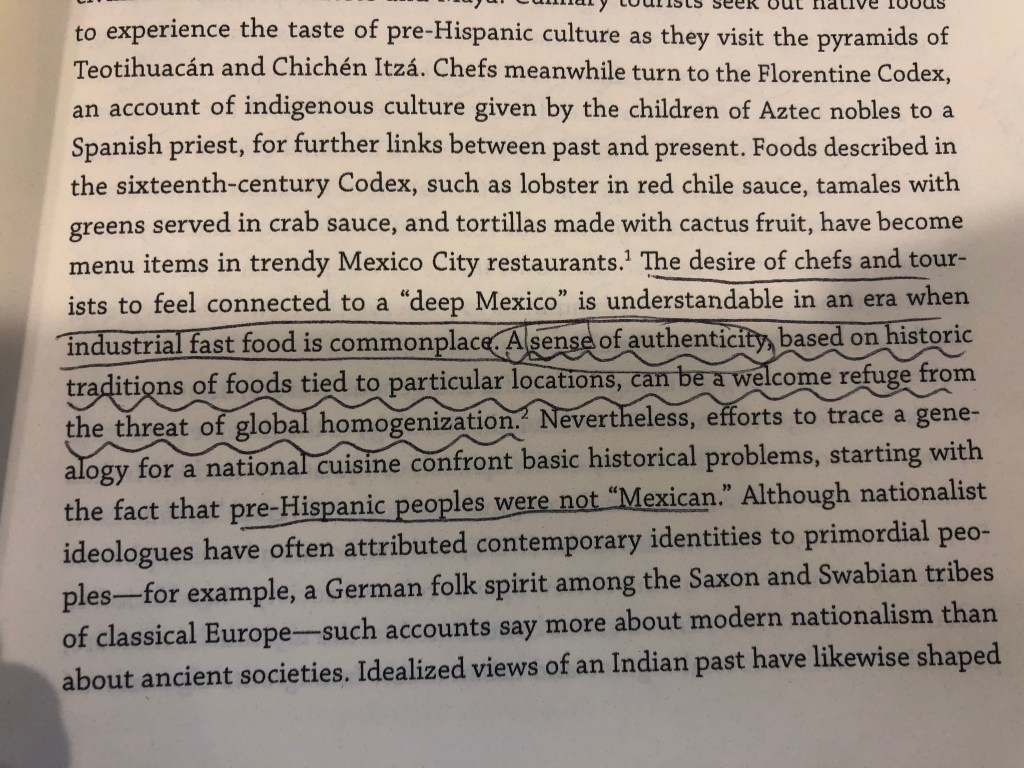
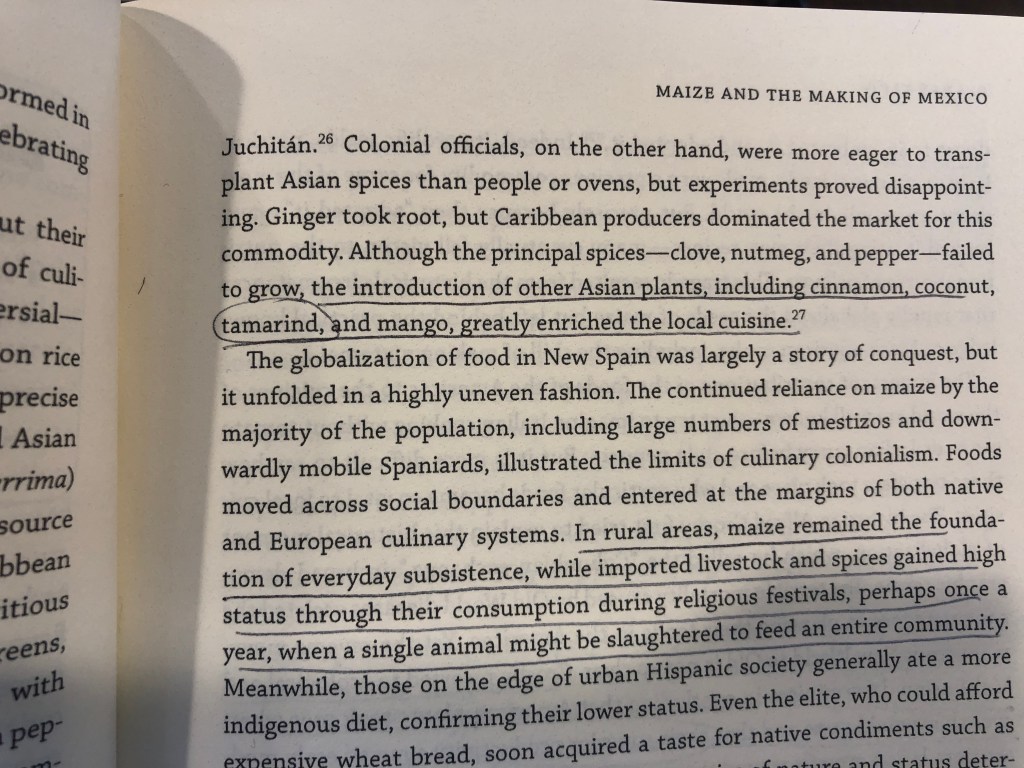
A big question that has come up in my Taco Literacy class is the question of “authenticity” in Mexican food. We’ve discussed how this topic can be complicated given that the definition of “authenticity” can be applied differently to different people, but to truly say something is “authentic” has been debated that the people of the cuisine should be the ones preparing and serving the food. Even then however, it is complicated to even say this since Mexican cuisine was created from the mixing of cultures that happened back when the Spanish colonized what they named “Mexico” and large lands of Latin America. This this quote above, something that grabbed my attention was the language that Jeffery M. Pilcher uses in the beginning of chapter one in Planet Taco. He writes that there is a “sense of authenticity” which may not say much at first, but once reading into the chapter more the question of authenticity is arguably tested.

Here, there were many kinds of foods and livestocks that were imported into Mexico. Foods from Asia such as tamarind, mangoes, and coconut as well as cows, pigs, spices, and wheat from Europe changed the way how these foods had an effect on indigenous cuisine. A lot of foods in Mexican cuisine now, such as the cemita for example, has cheese, beef and onions which are three ingredients that came from Europe. This food is authentic to the Mexican peoples but the ingredients that helped create this sandwich has a history that makes the question of authenticity complicated. However, despite the histories of Spanish conquest having an effect on indigenous cuisine, the argument that it has a “sense of authenticity” is quite a fair statement to make given the boundaries foods have crossed.

Recognizing Another Chef

In my Taco Literacy class, a chef that has been brought up — and whom we’ve read on — has been Rick Bayless. He is an American chef that specializes in making high-end Mexican food. We’ve had conversations on the complications that this may have, but I’ll give him some taco points for taking the time to be immersed in Mexican culture, unlike Glen Bell. 

However, my purpose in writing this post is not to speak about Ray Bayless necessarily. This conversation only left me curious to find a chef that is actually making the food of his or her people. That was when I encountered Aaron Sanchez. I’ve never heard of this chef, nor did I even know about Rick Bayless before taking this class, but I was curious to know more about him and what he does. Several of his posts include recipes for everyone to try for themselves, but he also has posts of recipients that make it into his culinary scholarship. It is humbling to see him helping other aspiring Latino chefs reach success in the world of culinary arts. 

This post is more so an appreciation post, but I plan on looking more into his work and seeing the other foods that he makes for everyone to enjoy.

Tamales and Pasteles: An Observation

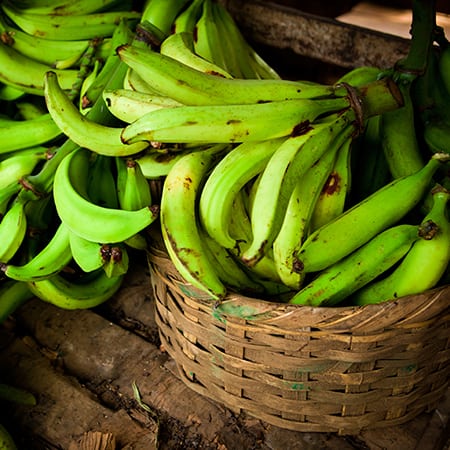
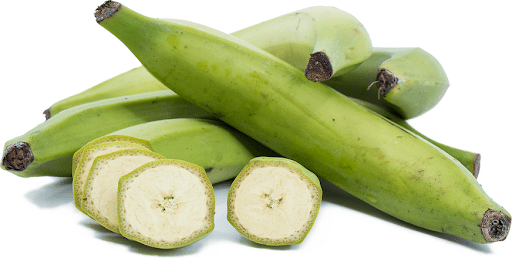
I’ve had friendly arguments over which came first: the tamale or the pastel. After bantering for some time, we came to the conclusion that it was indeed the tamale that came first. However, what came out from the conversation was our curiosity of what made these two foods different, despite it being so similar and representative of two different cultures. What it boiled down to was the corn and the plátano, the main ingredient used to house the meat and seasonings inside. 

I think about this small argument that I had because it made me realize just how influential food can be for other cultures. Is this a form of cultural appropriation? Or is this not part of that? I personally don’t believe that it is given the conceit of a pastel is not meant to see as “better” than the tamale, but it definitely is a conversation that would be interesting to have or further explore with.

Taco Bell: The Beginner to Mass Mexican Food Appropriation

Growing up, I never fully understood the extent of the Taco Bell franchise nor did I know of its beginnings. That was until I read through chapter three of Gustavo Arellano’s book Taco USA which takes a look into how the taco became an American favorite, despite the success not coming from Mexicans themselves. This chapter was very surprising, as well as upsetting (but I will get to that later), as it is revealed to me what started the taco franchise giant. Glen Bell, the founder of Taco Bell, took an interest with Mexican food and wanted to make a profit off of it. And that he did. Now there are hundreds of Taco Bell locations that offers a mimic to the Mexican food, but it is made with the intentions of targeting an American audience.

What makes me upset about this discovery is the fact that he sat and ate Mexican food made by the people, to then think that he has “improved” “the taco” (Arellano 62). It doesn’t stop with Taco Bell however. Many other francishes have joined the profit train as other names like El Taco, Taco Mayo, and Taco Tico as other Mexican appropriated franchises established by white Americans. 

This chapter just left me with many emotions as the main driver for all these franchises is to make a profit, however, the culture and people of Mexico is forgotten. The more I read on these pages, the more that I will become more aware of the issues regarding cultural appropriation. My first post on cultural approproation was only the beginning my part to the conversation, and this post is only continuing the dialogue.

Mexican Food Market Delights

For this post I wanted to take a look at some videos that looked at Mexican food made in the motherland itself — Mexico. One of my dreams is to be able to go to Mexico to try the different foods that I can try, as well as further immersing myself around the the people. It is one thing to have amazing Mexican food made in New York City, it is a whole other thing to enjoy Mexican food from the streets of Oaxaca itself.

This video shows so many colorful and delicious foods that the people of Oaxaca make on the daily. Just watching this video made me craving for a torta and tlayuda de chorizo. I’ve never had a tlayuda before, but if anyone of you reading is curious to what it is the link above offers a glimpse of how it looks. It looks amazing! Something I did enjoy about this video too is how the American visiting and documenting the Mexican market shows interest in the culture. He even spoke Spanish to the people at the market which was great to see.

Overall, this video was very exciting to see and I hope to some day visit Oaxaca to try the foods myself.

Design a site like this with WordPress.com
Get started